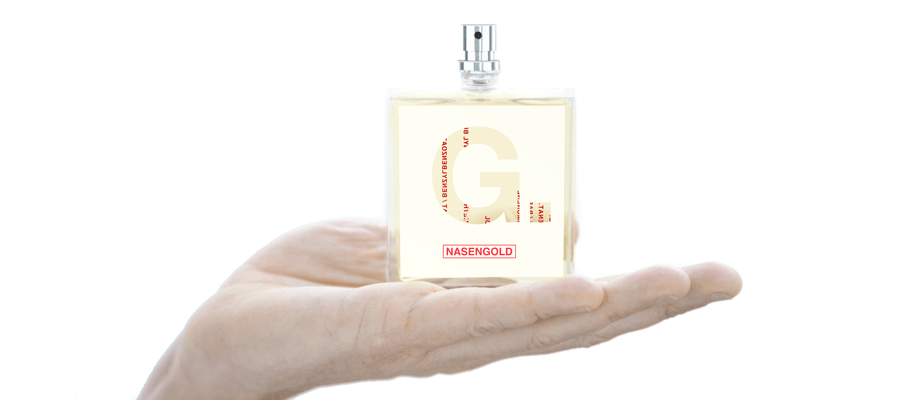

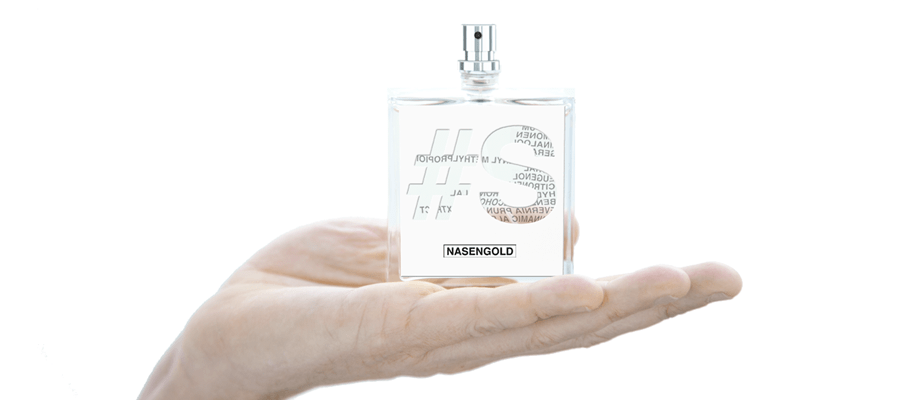
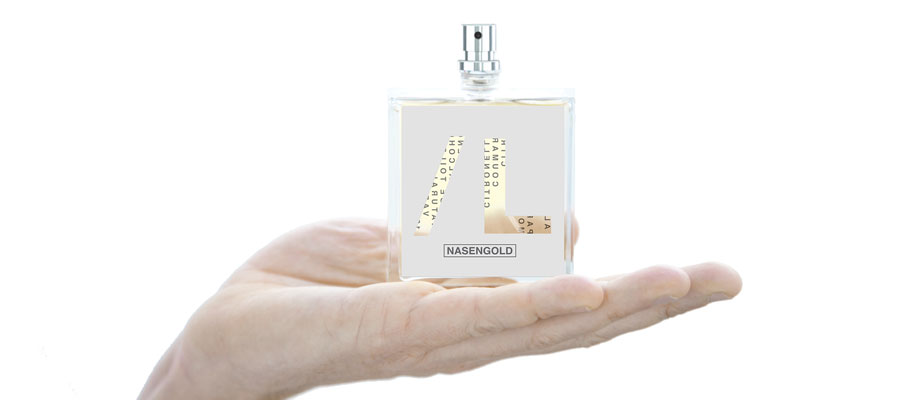
Opening and dry-down impressions: a step-by-step approach
The first impression of a perfume is only part of the wearing experience. Returning to it later can reveal changes in emphasis, texture or perceived intensity. The terms used to describe stages are helpful shorthand, but they are not a timetable that every wearer must observe identically. Rather than waiting for a named note to appear, notice how the overall balance feels to you. A fragrance that does not impress immediately may still be interesting later, and the reverse can also happen.
A practical next step
Compare your earliest note with a later one using the same three descriptive words.
Building a clear sequence
The order of the work matters. Separate preparation from the action itself, then leave a short opportunity to check the result. A step that depends on an unanswered question should not be treated as settled. The sections below can help you build a sequence, but adapt that sequence to the circumstances rather than following it mechanically.
Sweetness in perfume
Sweetness in a perfume is an impression to explore, not a single fixed ingredient or style. It may feel airy, dense, soft or contrasted by drier elements. The amount you enjoy can depend on the setting and on the rest of the fragrance. A scent need not resemble a dessert to seem sweet, and a published food reference does not establish an edible ingredient. Describing the balance is often more useful than deciding whether a perfume belongs in a rigid category.
Note what seems to balance the sweetness and whether that contrast remains enjoyable over time.
Describing floral perfume impressions
A floral impression can be fresh, soft, powdery, rich or abstract. It need not resemble a bouquet exactly, and two fragrances using the same flower in their descriptions can feel very different. Pay attention to the surrounding impressions, since contrast may shape what you notice most. Personal memories can influence the words you choose, but they do not make your description incorrect. Keep those memories labelled as associations rather than evidence about the composition.
Describe the overall floral character before deciding whether a particular flower name is useful.
Testing perfume on skin carefully
A skin test should be approached according to the product instructions and your own circumstances. Use a modest application rather than layering several unfamiliar perfumes in the same place. Keep a note of the location and time so that observations remain comparable. If irritation occurs, stop using the product and seek appropriate advice when needed. People with known sensitivities may need professional guidance before testing. A pleasant smell does not establish that a product is suitable for every person.
Choose a day when you can assess one sample without competing scented products and record your observations at a few natural pauses.
Do not apply perfume to irritated or damaged skin or treat a brief uneventful trial as proof that a reaction can never occur.
Writing an honest perfume review
An honest perfume review distinguishes personal impressions from verifiable product information. State how you tested the fragrance and avoid presenting one wearing as a universal result. You can describe a memory or mood without claiming that the perfumer intended it. If you did not test the product, write about its published description rather than inventing a first-hand review. Comparisons are most useful when they identify a specific similarity or difference instead of declaring two fragrances identical without qualification.
Separate your draft into observed impressions, personal associations and information supplied by the brand.
Do not invent a purchase, a wearing experience, an ingredient or a quotation from a perfumer.
Details not to overlook
- Do not assign an exact universal schedule to the development of a fragrance based on one wearing.
- Do not describe fragrance as edible or use a food-like scent as a reason to apply it in ways not intended by the manufacturer.
- Do not assume that a floral label determines who should wear a fragrance.
Related reading
Describing woody perfume impressions: mistakes worth avoiding
Sweetness in perfume: how to compare the options
Describing floral perfume impressions: a practical starting point